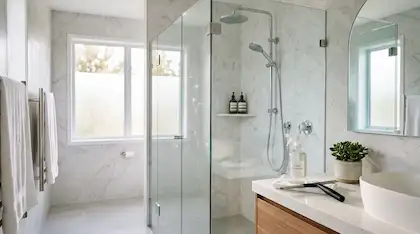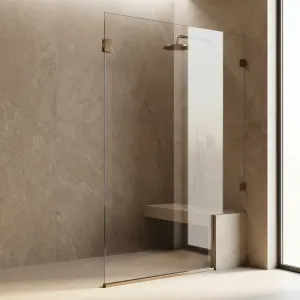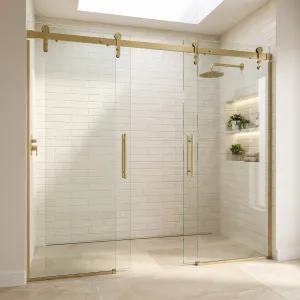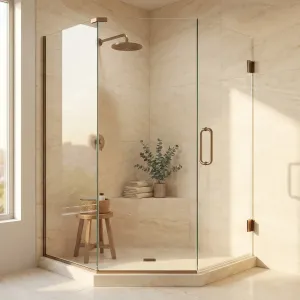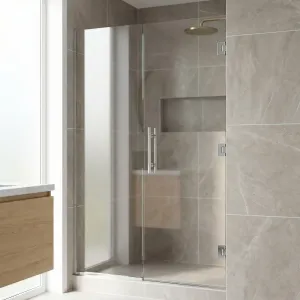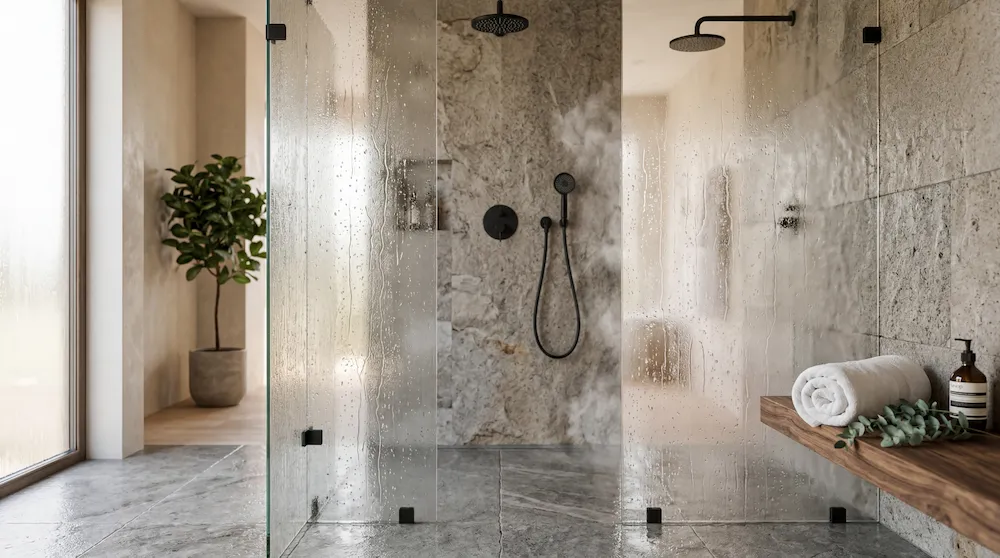
Clear shower glass is beautiful, but it shows every water droplet and offers no privacy. Textured glass solves both problems and transforms a standard enclosure into something that actually feels like a spa. Here are the five textures worth considering.
A frameless shower with crystal-clear glass is the default recommendation for most bathrooms, and for good reason. It looks clean, it makes small spaces feel bigger, and it shows off the tile work behind it. But clear glass has two real weaknesses: it shows every water spot, and it offers zero privacy. For a lot of homeowners, those two things alone are enough to push the conversation toward textured glass.
The good news is that textured shower glass is not the frosted-squares-from-1992 option you remember from your grandmother's bathroom. The modern catalog has serious range. Five textures in particular have staying power in 2026, each with a distinct personality and a different answer to the privacy question.
The Short Version
If you want the biggest visual upgrade with the lowest cleaning cost, rain glass is the safe winner. If you want maximum privacy and a spa glow, go acid-etched frosted. If you want the texture everyone is specifying in 2026, the answer is fluted.
Why Texture Changes Everything
Glass texture does two things clear glass cannot. It scatters light in ways that soften the whole bathroom, and it hides the small imperfections that make clear glass look dirty five minutes after you squeegee it. A panel that scatters light at the surface also scatters water droplets visually, which means mineral spots, soap streaks, and fingerprints are much less obvious from across the room.
Texture also changes how the shower reads as architecture. Clear glass disappears into the bathroom. Textured glass asserts itself. That can be good or bad depending on what you want the room to feel like.
Option 1: Rain Glass
Rain glass is exactly what it sounds like. The surface has a vertical rippled pattern that mimics water running down a window on a stormy day. It is probably the most popular textured option we install, and it has been quietly gaining ground for years because it earns its keep in every way that matters.
The privacy level is moderate. From two feet away you see a softened silhouette, not a clear image. From six feet away the panel reads as abstract. That is enough for most bathroom situations without going to full frosted opacity. Rain glass pairs well with traditional and transitional bathrooms, and it looks right next to natural stone or warm wood vanities.
The practical win is that rain glass hides water spots better than any other texture on this list except frosted. The ripples break up the reflection that makes mineral deposits visible. If you have hard water and you do not want to squeegee every day, rain glass buys you a significant amount of grace.
Option 2: Fluted (Reeded) Glass
Fluted glass is the texture you have seen all over design magazines and Instagram for the past eighteen months, and it is the reason this article exists. Vertical grooves run the full height of the panel, creating a tailored linear rhythm that reads as modern but also vaguely Art Deco. In a bathroom full of flat surfaces (tile, mirror, quartz counters), fluted glass is often the only thing adding real texture to the room, which is exactly why designers love it right now.
It offers moderate to strong privacy depending on the groove width. Narrow reeds give you near-frosted obscurity. Wide flutes give you more light transmission and a softer blur. Both versions do something clear glass cannot: they change how light enters the shower. A single recessed light behind a fluted panel fans out into vertical stripes, and the whole enclosure glows.
The honest trade-off is cleaning. Water and soap residue collect in the grooves and require a small brush to clean properly. If you squeegee after every shower you will never notice. If you skip the daily routine, fluted glass will punish you faster than rain will.
Option 3: Acid-Etched Frosted Glass
Frosted glass gets dismissed as boring because most people still picture the cheap sandblasted version from two decades ago. Modern acid-etched frosted glass is an entirely different animal. The surface is silky smooth to the touch, the opacity is consistent across the whole panel, and the finish has a subtle luminosity that sandblasted glass never had.
This is the maximum-privacy option. Acid-etched glass blocks all silhouettes. You can tell someone is in the shower. You cannot tell anything else. That matters in shared bathrooms, guest suites, and any space where the shower sits close to a door or window.
The spa effect is real. Frosted glass scatters light evenly, which means a well-lit shower glows softly instead of hitting you with a direct lamp. In windowless interior bathrooms this alone transforms the room. The downside is that frosted glass shows touch marks more than you would expect. Finger oils stick to the etched surface and need a vinegar wipe to come off cleanly.
Option 4: Gluechip Glass
Gluechip is the wildcard on this list. The texture is created by applying animal glue to a glass surface, letting it dry and contract, and allowing it to rip tiny shards of glass off the top layer in a fern-like crystalline pattern. The result looks like frost on a window, if the frost were permanent and the pattern were more organic.
Privacy is high. Light transmission is also high. That combination is unusual. Most textures trade one for the other. Gluechip gives you both because the random crystal pattern obscures shapes without blocking brightness.
It is the right choice for bathrooms with vintage, Victorian, or farmhouse character. It is the wrong choice for anything modern or minimalist because the pattern is busy enough to fight with clean-line design. Gluechip is also less common, which means you may have to wait longer for fabrication and pay a premium compared to rain or fluted.
Option 5: Aquatex (Pebbled) Glass
Aquatex is a pebbled texture with a soft, irregular surface that looks like water frozen mid-ripple. It is less common than the other four options but worth knowing about if you want something that reads as organic and hand-made rather than precisely machined.
Privacy is moderate and the light transmission is excellent. The pebbled surface diffuses light in all directions, so a shower with Aquatex glass feels genuinely warm even with a single fixture. It works especially well with natural stone tile, coastal color palettes, and bathrooms that lean soft and tactile rather than sharp and architectural.
Cleaning is easier than fluted and harder than rain. The pebble depth is shallow enough that a microfiber cloth reaches most of the surface, but a brush helps once a month for the deeper dimples.
How to Pick Between Them
Start with privacy needs. If the shower is visible from a doorway, window, or the rest of the bathroom, you need at least moderate obscurity. Rain and fluted both get you there. If the shower is directly across from a bedroom entry or a window to a neighbor, go frosted.
Then think about style direction. Fluted is modern and bold. Rain is traditional and calming. Frosted is clean and quiet. Gluechip is vintage and decorative. Aquatex is organic and soft. The texture needs to match the rest of the room, not fight it.
Cleaning is the last filter. Frosted and rain are the easiest. Aquatex sits in the middle. Fluted and gluechip demand the most attention. Be honest about your daily routine before you commit.
A Few Things Textured Glass Will Not Do
Textured glass makes a shower feel like a spa. It does not make a bathroom bigger. If you have a small bathroom that relies on visual openness to feel comfortable, clear glass is still the safer call. Texture adds weight to the space because the eye stops at the panel instead of passing through it.
Texture also will not fix a bad shower. Beautiful glass over worn-out tile, mismatched hardware, or poor lighting will still look wrong. Think of the glass as the frame, not the picture. It elevates what is already working. It does not rescue what is not.
Finally, texture is a permanent commitment. Tempered shower glass cannot be re-textured later. If you pick fluted and fall out of love with it in five years, your only option is full panel replacement. Factor that into the decision.
The Pick I Would Make Today
If someone handed me a blank check and said choose one, I would pick fluted glass. In 2026 it hits the best combination of drama, practicality, and design impact. The vertical rhythm makes even an ordinary shower look intentional, the light play is genuinely beautiful in use, and the cleaning fussiness disappears if you already have a sixty-second daily squeegee habit.
If I were building a spa-first bathroom with dim lighting and a focus on calm, I would pick acid-etched frosted. The soft glow of a well-lit frosted panel in a dark room is relaxing in a way clear glass cannot replicate.
And if I were retrofitting an older home with traditional bones and hard well water, I would pick rain glass every time. It is the pragmatic choice: timeless, forgiving, and quietly beautiful without trying too hard.
The one texture I would pick last is clear glass. Not because it is wrong, but because if you are reading this article you already know clear is not what you want. Trust that instinct.